A story of succession and success.
The Gillies family bought the farm now known as The Hirsel in 1969, with high hopes. But during most of the 50 years after that, it was a wearying money pit. Both sons went to work in their early teens, to contribute to the family finances, and when Mum retired, a long-time widow by then, she looked at her pension, did the math, and got rid of the sheep. With both sons away earning their own livings by then, and only coming home occasionally, she’d given up trying to farm other kinds of livestock or crops long before.
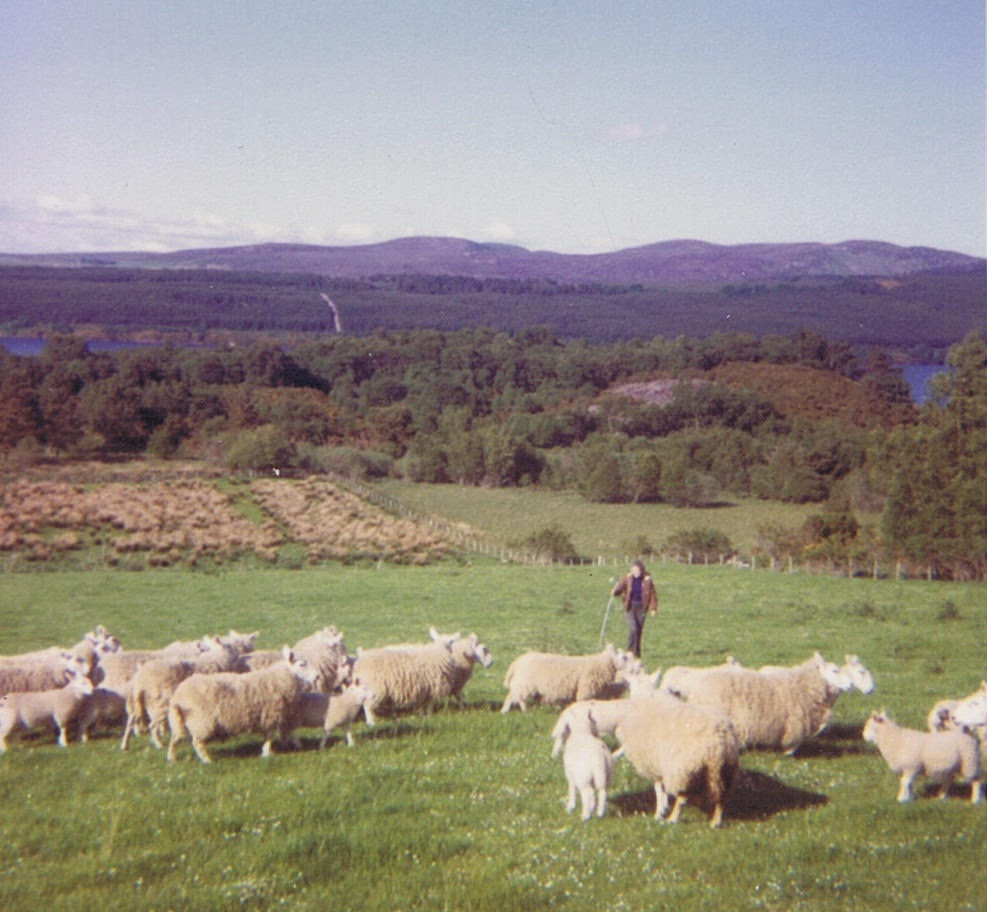
Then, after various attempts at renting the land to other farmers were scuppered by her fear that their tenant rights would lead to her losing the land, she stopped all farming activity, and the land sat dormant for 30 years, fields going boggy, gorse and brambles spreading. Without the sheep grazing the fields, the reeds and thistles moved in, and without their manure, the soil turned poor. But Mum held on to the land and the house, determined to leave the farm to her two sons – so they could sell it after she was gone, and walk away with something (finally) in their pockets. Neglect did allow some good to happen; trees were given time to spread back into areas cleared hundreds of years ago, ditches deepened and began meandering, one returning to the spring fed burn it had been so long ago. And the farm missed out on the ‘modernization’ and moves toward ‘efficiency’ that had woodlands and hedges disappearing on other farms all over the UK.

Then she had a fall. Donald, home temporarily at the time, stayed.
A consultant in the construction industry, he began turning away jobs that involved travel, as she couldn’t be left at the farm alone, and he settled into, and began working from, a caravan across the yard from her house. Looking out the window at fields, trees, and broken-down fences…he got the fix-it bug. So, while he could still afford to (turning down ‘away’ jobs halved his income), he bought a tractor and some other gear.

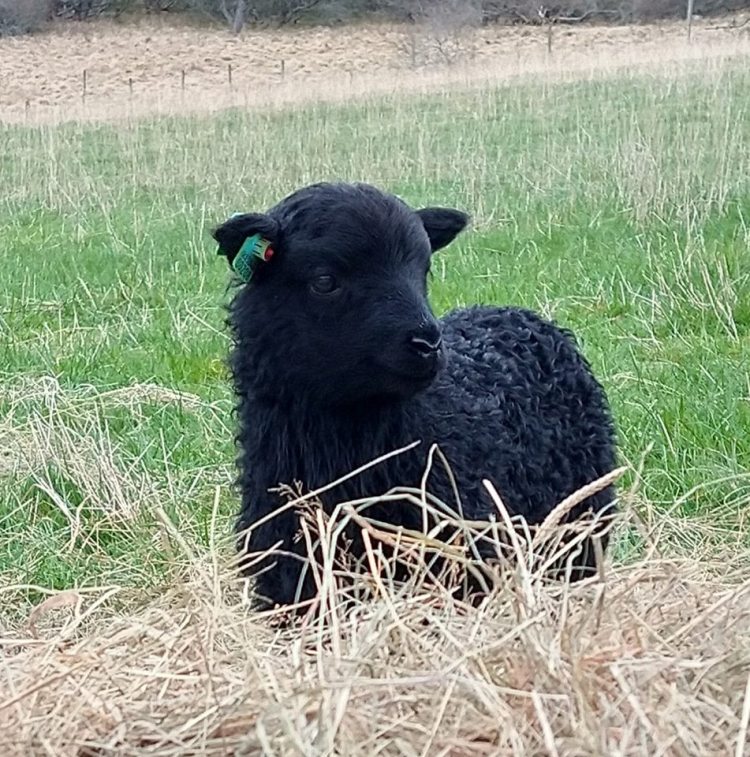
You see where this is headed: in 2015, we brought sheep back to the farm after a 30 year absence. But they’re different from the NC Cheviots his family had kept: they’re Hebrideans.
Native browsers, low impact, and able to live outside all year round. Mum thought we were crazy, and reminded us that sheep will eat all your money. But just before she passed, we were able to tell her we would soon be starting to sell our own meat boxes. The wool project was only in its infancy then, but she and I shared a love of crafting with the wool, and the day I put a tiny black (black?!?) lamb in her lap, I watched her eyes light up.
Yesterday, 6+ years after her will split the farm into house and land, over ten years since Donald started repairing the fences and drains, almost 9 years since I joined him here…we finalized the purchase of the house from Donald’s brother, bringing land & farmhouse back together again.
The farm is ours now. It is whole again.
But more feels whole than just the farm: WE feel whole here. We farm differently than his parents; no -cides, no inorganic ferts. A light touch on wild places. Leaving/making room for wildlife that would’ve been chased/hunted off by the previous generation. Sometimes we wish Mum were here to see it, to love the farm in its new form, but we also know that we can farm this way because she isn’t.
The farm Donald couldn’t wait to leave as a young man, now cares for us, as we care for it. It gives back to us enough that we can help care for others, sometimes, too. With our new ideas and projects, we’re on a path toward financial, as well as environmental, sustainability. Donald’s brother has what he wanted out of the farm: he’s fulfilled his mother’s dream of walking away with a bit in his pocket. And we have what we want out of the farm, too: a new and deeply felt dream. We call that a success story.
 The Hirsel